


Preventing sick leave: 5 tips for vital employees
In this blog, you will discover how your organisation can actively reduce absenteeism, with practical tips and learning solutions that truly make a difference.
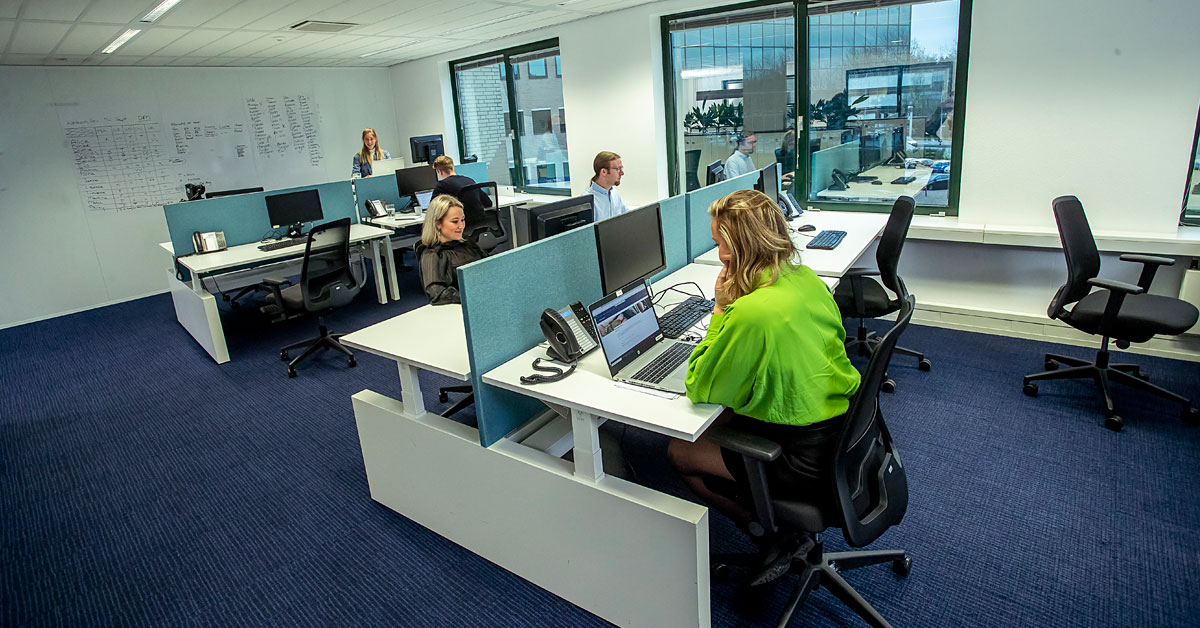

Sick leave has been a persistent challenge in the workplace for years. Since the COVID-19 pandemic, the number of sick reports has increased significantly. While organisations continue to struggle with staff shortages and high workloads, the importance of a strong vitality policy keeps growing. In 2025, vitality is no longer a nice-to-have, but a necessity. Organisations that actively invest in both the physical and mental wellbeing of their employees see not only reduced absenteeism, but also higher energy levels, engagement, and productivity. In this blog, you will discover how to actively reduce sick leave with practical tips and learning solutions that truly make a difference.
Why vitality is becoming increasingly important
After years of remote work, hybrid teams, and societal uncertainty, one clear trend has emerged: mental strain is rising, boundaries are fading, and recovery moments are lacking. The figures speak for themselves. Recent reports show that the average sick leave rate in the Netherlands remains over 25% higher than before the pandemic. Psychological absenteeism in particular is increasing, including burnout, stress-related complaints, and long-term fatigue.
What can you do as an HR professional or manager to turn the tide?
1. Remote work? Yes but with clear policies
While many organisations have fully embraced hybrid working, proper facilitation remains crucial. Remote work can reduce absenteeism, but only when structured effectively.
For example, allow employees to work from home if they feel slightly unwell but are still able to function. This prevents full sick leave and reduces the risk of infecting colleagues.
What helps?
- Home office budgets: ensure employees have ergonomic workstations at home. A proper chair and large monitor make a real difference.
- Flexible working hours: give employees autonomy over when they work, within team agreements.
Clear agreements: define expectations regarding availability and communication while working remotely.
2. Prevent psychological absenteeism by staying in conversation
Physical illness is visible. Mental overload often is not. That is where the risk lies. Employees working remotely can easily go unnoticed. They are less likely to speak up and may feel isolated more quickly.
That is why it is essential to proactively invest in mental support:
- Hold regular one-on-one check-ins
- Actively discuss workload, balance, and energy levels
- Ensure easy access to a confidential advisor
- Encourage participation in mental wellbeing training or coaching
Watch for signals such as reduced productivity, withdrawal, mood fluctuations, or unexplained mistakes. The earlier you intervene, the better.
3. Offer targeted vitality training
Vitality is personal. One employee may need more physical activity, another may want to improve sleep quality or stress management. Provide employees with the space and tools to actively work on their own wellbeing.
An online learning platform allows you to organise this efficiently:
- Employees choose training that fits their needs
- Themes such as stress management, sleep, nutrition, work happiness, and physical activity
- Accessible anytime, anywhere
- Short, accessible modules and longer learning pathways
SkillsTown tip: Our “Healthy and Vital Complete” learning pathway includes carefully selected training courses designed to improve vitality step by step, such as “Healthy Nutrition in One Month,” “Vitality,” and “Yoga for Beginners.”
By addressing vitality in manageable steps, you encourage sustainable behavioural change.
4. Turn your office into a healthy environment
A vital workplace starts with its physical environment. Ergonomic workstations are important, but vitality goes beyond adjustable desks. Consider:
- Proper ventilation and fresh air
- Sufficient natural daylight
- Green plants for calmness and oxygen
- Spaces for focused work and collaboration
- Healthy snacks, encouraging stair use, and lunch walks
You do not need to build a gym, but demonstrate that vitality matters. Employees follow the example set by leadership.
5. Integrate vitality into culture and leadership
Vitality should not be an add-on. Make it part of your organisational values, leadership style, and HR policies.
- Discuss vitality structurally during performance reviews
- Ensure managers lead by example
- Keep health a topic of conversation, even during busy periods
- Make training and initiatives visible and valued
Perhaps most importantly: celebrate small successes. A team reaching 10,000 steps together, a colleague quitting smoking, a manager openly discussing stress. These moments contribute to a vital and connected culture.
Prevent sick leave with online training?
Use digital solutions to structurally support vitality. Online training is not only efficient but also scalable and measurable. You gain insight into participation, preferred topics, and progress.
With the online learning platform from SkillsTown, you provide employees with exactly the tools they need to remain physically and mentally fit.
Share this article
Inspired? Share this article within your network